

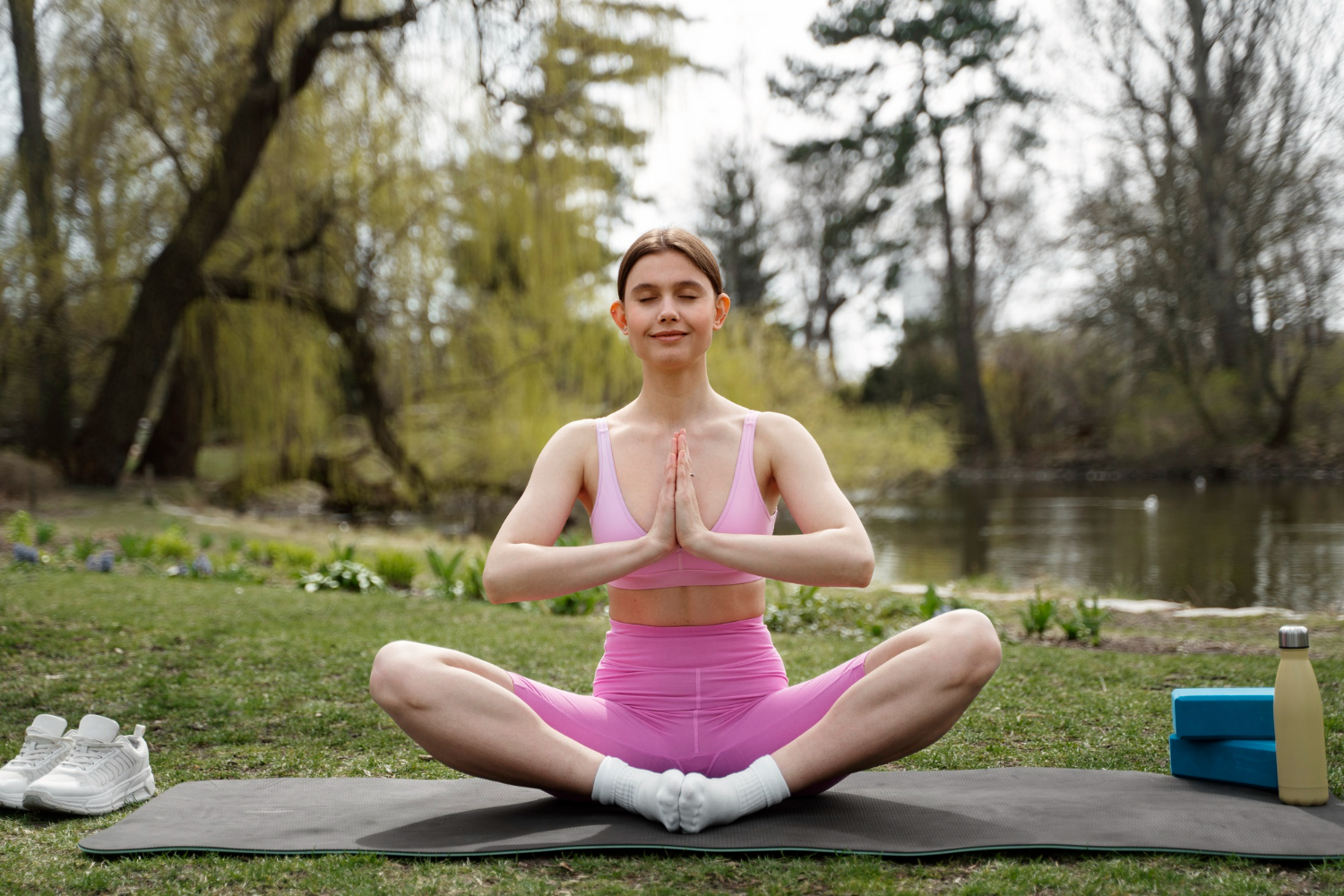
Yoga is more than just a form of physical exercise; it is a holistic practice that combines mindfulness, movement, breathwork, and meditation to promote overall wellness. This article explores the benefits of yoga for mental and physical health and provides tips on how to effectively integrate mindfulness and movement into your daily routine.
1. The Benefits of Yoga for Wellness
1.1 Physical Benefits
- Increased Flexibility: Regular practice helps improve flexibility, reducing the risk of injury and enhancing physical performance in other activities.
- Strength Building: Many yoga poses require you to support your body weight in various ways, helping to build muscular strength and endurance.
- Enhanced Posture: Yoga promotes awareness of body alignment, which can lead to improved posture and decreased back pain.
1.2 Mental and Emotional Benefits
- Stress Reduction: Yoga encourages relaxation and helps lower cortisol (the stress hormone) levels in the body, leading to reduced anxiety and stress.
- Improved Focus and Concentration: Mindfulness practices in yoga enhance mental clarity and improve overall cognitive function.
- Emotional Balance: Regular practice fosters self-awareness and emotional resilience, helping individuals better manage their emotions and reactions.
2. Incorporating Mindfulness into Your Yoga Practice
2.1 Setting Intentions
- Begin each practice by setting a personal intention or goal. This could be a focus on gratitude, peace, or letting go of negativity. Revisit this intention throughout your practice.
2.2 Breath Awareness
- Incorporate conscious breathing into your practice. Use techniques like Ujjayi (victorious breath) to enhance focus and deepen your poses. Pay attention to the rhythm of your breath and its connection to your movements.
2.3 Mindful Movement
- Move slowly and with awareness. As you transition between poses, notice the sensations in your body. This will help you stay present and avoid rushing through your practice.
2.4 Guided Meditation
- Consider starting or ending your practice with a brief meditation. This could involve focusing on your breath, visualizing a peaceful scene, or practicing gratitude. Even just a few minutes can enhance your overall experience.
3. Creating a Yoga Routine for Wellness
3.1 Finding a Suitable Space
- Identify a calming space in your home or a studio where you can practice without distractions. Ensure it is comfortable, well-lit, and free of clutter.
3.2 Designing Your Routine
- Warm-Up (5-10 mins): Start with gentle movements, like neck rolls, shoulder shrugs, and seated forward bends.
- Main Practice (20-30 mins):
- Include a mix of standing poses (e.g., Warrior I and II), balancing poses (e.g., Tree Pose), and seated poses (e.g., Seated Forward Fold).
- Incorporate flows (like Sun Salutations) to connect breath and movement.
- Cool Down (5-10 mins): Finish with restorative poses, such as Child’s Pose or Supine Bound Angle Pose, followed by a few minutes of Savasana (Corpse Pose).
3.3 Frequency
- Aim to practice yoga at least 2-3 times a week. Even short daily sessions can have significant benefits for wellness.
4. Mindfulness Practices Outside of Yoga
4.1 Daily Mindfulness
- Integrate mindfulness into everyday activities. For example, practice mindful eating by savoring each bite or be present during a walk by observing your surroundings.
4.2 Meditation
- Consider incorporating meditation into your routine. A few minutes of focused breathing or mindfulness meditation can enhance your well-being and complement your yoga practice.
4.3 Journaling
- Keeping a mindfulness journal can help you track your thoughts, feelings, and intentions. Reflect on your experiences, challenges, and insights gained from your yoga practice.
5. Potential Challenges and Solutions
- Consistency: Start with short sessions and gradually increase frequency and duration. Schedule yoga as an appointment in your calendar.
- Distractions: Create a dedicated practice space and minimize distractions (turn off notifications, choose a quiet environment).
- Physical Limitations: Listen to your body and modify poses as needed. Use props such as blocks and straps for support.
Integrating mindfulness and movement through yoga into your routine can lead to enhanced physical health, emotional well-being, and a greater sense of peace in your life. By practicing regularly and focusing on the mind-body connection, you can cultivate a holistic approach to wellness. Remember to be patient with yourself as you explore this journey; like any practice, yoga is about progress, not perfection. Embrace the process, stay present, and enjoy the transformative benefits that yoga can bring to your life.