


Improving your sleep is essential for overall health and well-being. Here are several strategies to help you achieve better sleep quality and duration:
1. Establish a Consistent Sleep Schedule
• Go to Bed and Wake Up at the Same Time: Try to go to bed and wake up at the same time every day, even on weekends, to regulate your body’s internal clock.
• Gradual Adjustments: If you need to change your sleep schedule, do so gradually by adjusting your bedtime by 15-30 minutes each night.
2. Create a Relaxing Bedtime Routine
• Wind Down: Spend 30-60 minutes before bed engaging in calming activities like reading, listening to soothing music, or practicing relaxation techniques.
• Limit Screen Time: Reduce exposure to screens (phones, computers, TVs) at least 30 minutes before bedtime, as blue light can interfere with your ability to fall asleep.
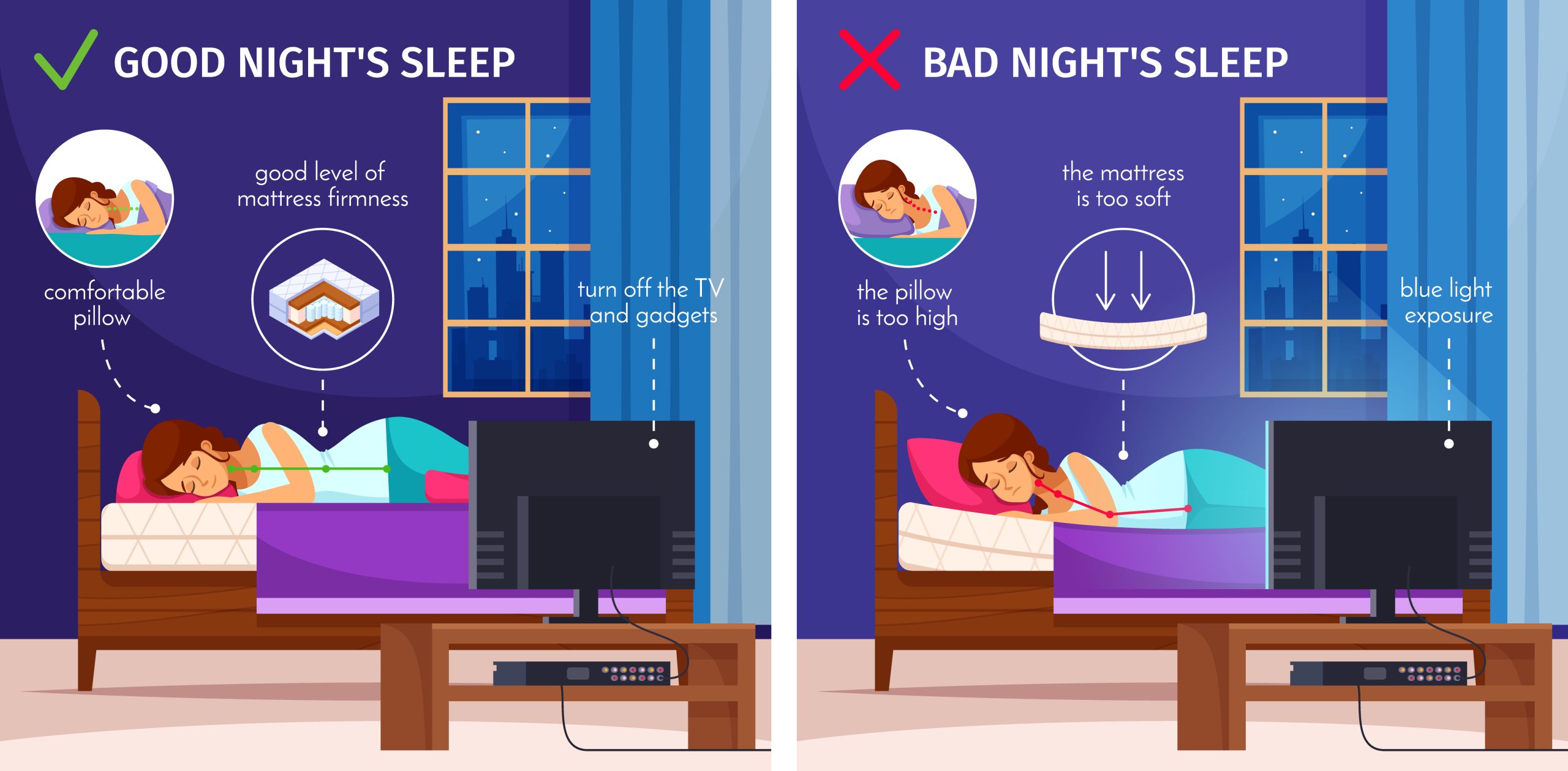
3. Optimize Your Sleep Environment
• Comfortable Bedding: Invest in a comfortable mattress and pillows that support your sleeping position.
• Room Temperature: Keep your bedroom cool, typically between 60-67°F (15-19°C), to promote better sleep.
• Dark and Quiet: Use blackout curtains to eliminate light and consider white noise machines or earplugs to reduce noise disturbances.
4. Watch Your Diet and Hydration
• Limit Caffeine and Nicotine: Avoid caffeine and nicotine in the hours leading up to bedtime, as they can disrupt sleep.
• Avoid Heavy Meals Late at Night: Try not to eat large meals close to bedtime. If you are hungry, opt for light snacks that promote sleep, such as bananas or yogurt.
• Stay Hydrated: Drink enough water during the day, but reduce fluid intake an hour or so before bedtime to minimize nighttime trips to the bathroom.
5. Get Regular Exercise
• Physical Activity: Aim for regular physical activity, such as brisk walking, swimming, or yoga. Exercise can promote better sleep quality.
• Timing Matters: Try to finish exercising at least a few hours before bedtime, as working out too close to bedtime may energize you and make it harder to sleep.
6. Manage Stress and Anxiety
• Relaxation Techniques: Practice relaxation techniques such as deep breathing, meditation, or progressive muscle relaxation to calm your mind before bed.
• Journaling: Consider writing down your thoughts or to-do lists before bed to help clear your mind.
7. Limit Naps
• Nap Wisely: If you need to nap, keep it short (20-30 minutes) and avoid napping late in the afternoon to prevent it from interfering with nighttime sleep.
8. Evaluate and Adjust Your Sleep Approach
• Track Your Sleep Patterns: Keep a sleep diary or use sleep-tracking apps to identify patterns and factors affecting your sleep.
• Be Patient: Improving sleep might take time. Consistency with sleep practices can gradually lead to better sleep quality.
9. Seek Professional Help if Needed
• Consult a Doctor: If you continue to have difficulties sleeping despite trying various strategies, consider consulting a healthcare professional or a sleep specialist to rule out underlying sleep disorders.
Improving your sleep involves a combination of creating a restful environment, establishing healthy habits, and managing stress and anxiety. By implementing these strategies and making sleep a priority, you can enhance your overall well-being, boost your mood, and increase your productivity throughout the day. Remember that good sleep is not just about quantity; the quality of your sleep is equally important for your health.